What Email Headers Tell You: SPF, DKIM, and DMARC in Plain English
Email security often sounds mysterious, but the core idea is simple: the internet needs a way to prove that an email claiming to be “from a company” was actually sent by that company.
1) What an email header is
An email header is machine-readable metadata that travels with a message. It can include:
- Sending server information
- Timestamps
- Authentication results
- Message IDs and routing hops
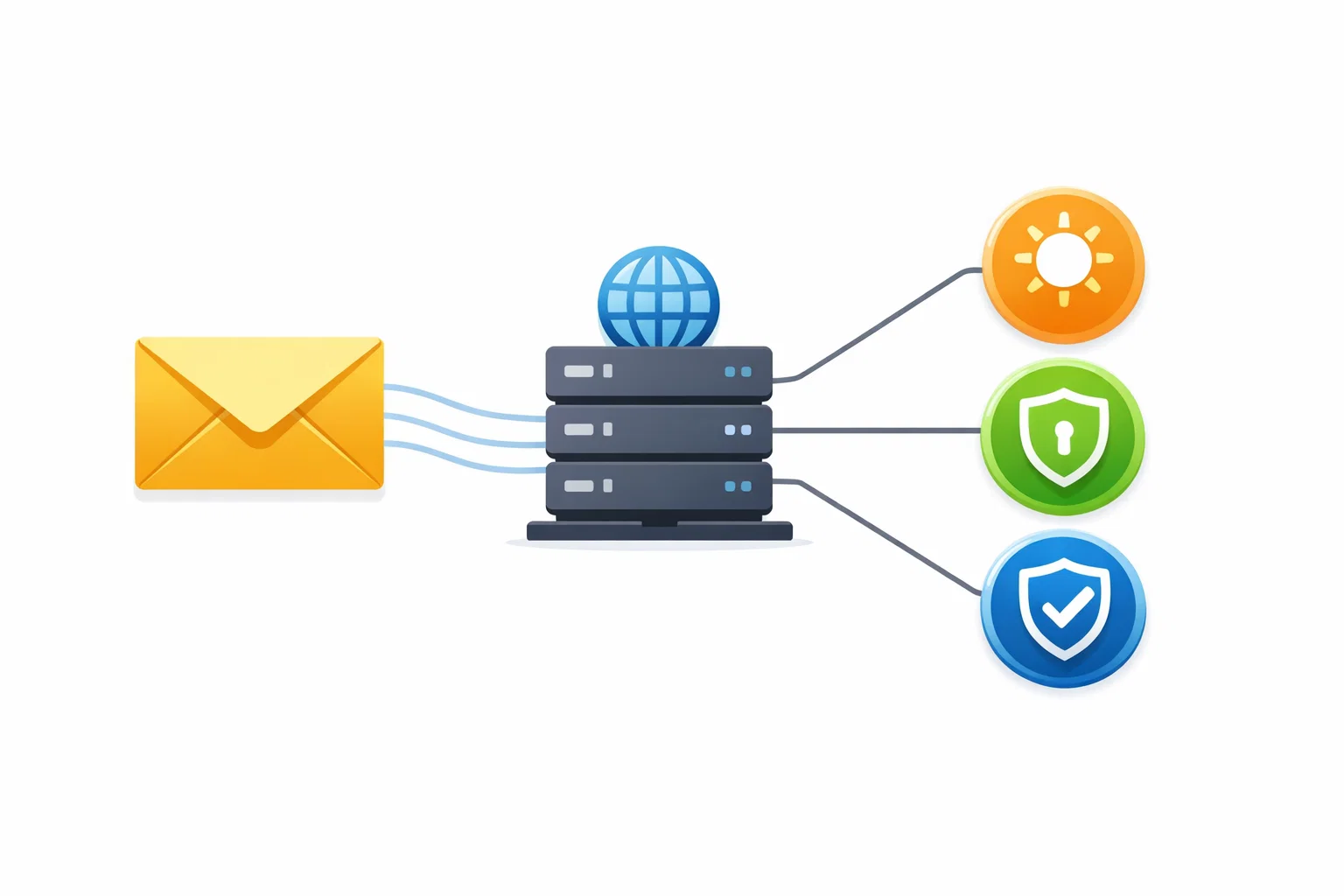
2) SPF: “Is this server allowed to send for this domain?”
SPF is a DNS record that lists which servers are allowed to send email for a domain. If an email claims to be from example.com but comes from a server not listed in SPF, that’s a red flag.
3) DKIM: “Was this email altered in transit?”
DKIM adds a cryptographic signature. The receiving server checks the signature using a public key published in DNS. If the signature validates, it strongly suggests the message was not modified after it was signed.
4) DMARC: “What should we do when authentication fails?”
DMARC tells receiving servers how to handle failures (none/quarantine/reject) and where to send reports. It reduces spoofing when configured correctly.
5) Why this matters for users
Phishing often relies on spoofed sender names. Authentication failures are strong warning signs.
6) Safe ways to handle suspicious messages
- Don’t trust the display name—verify the domain.
- Don’t click unknown links; navigate to official sites directly.
- Be cautious with attachments.
7) Where TempMailbox fits
Disposable inboxes can reduce the spread of your primary email identity across unknown sites, but they are not a replacement for good security judgment. Use TempMailbox for low‑risk sign‑ups and testing, not for critical identity accounts.
Start here: TempMailbox